What Is Hyperpigmentation?
Hyperpigmentation is a common skin condition. It happens when some areas of your skin become darker than others. This can make your skin look uneven. Many people want to know about hyperpigmentation causes and treatments. Understanding this can help you learn how to get even skin tone.
Usually, hyperpigmentation is not harmful. However, it can affect how you feel about your appearance. For this reason, many people look for ways to treat or prevent it.
Common Causes of Hyperpigmentation
There are several reasons why dark spots or patches may appear on your skin. Knowing the causes of dark spots can help you avoid them. Here are some common causes:
In addition, genetics can play a role. If your family has a history of skin discoloration, you may be more likely to get it too.
Symptoms and Types of Hyperpigmentation
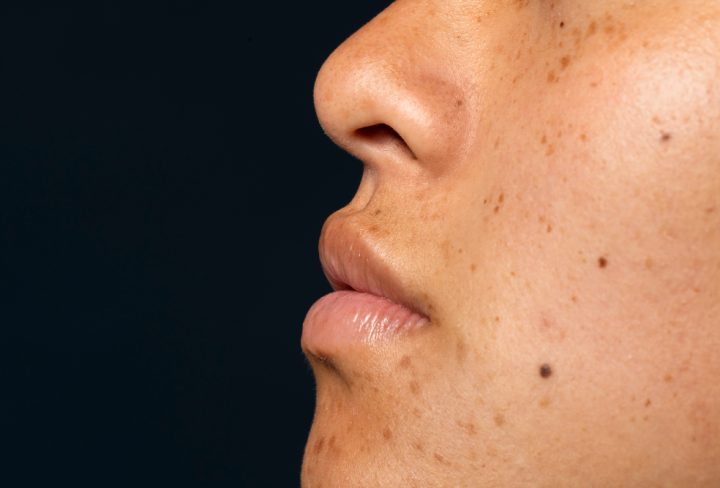
Hyperpigmentation shows up as dark spots or patches. These can be brown, black, or even gray. The size and shape can vary. Sometimes, the spots are small. Other times, they cover larger areas.
There are a few main types:
Each type may need a different treatment. Therefore, it is important to know which kind you have.
Diagnosis: How Hyperpigmentation Is Identified
Doctors can usually diagnose hyperpigmentation by looking at your skin. Sometimes, they may use a special light to see the spots more clearly. In rare cases, a small skin sample may be taken for testing.
It is important to tell your doctor about any medicines you take. Also, let them know if you have other health problems. This helps them find the cause and suggest the best treatments for hyperpigmentation.
Effective Treatments for Hyperpigmentation
There are many ways to treat hyperpigmentation. Some treatments work better for certain types. Here are some common options:
According to the American Academy of Dermatology, these treatments should be done by a trained professional. Some products may cause side effects, so always follow your doctor’s advice.
Home Remedies and Lifestyle Tips for Even Skin Tone
Besides medical treatments, you can try some home remedies and lifestyle changes. These may help improve your skin tone over time. For example:
Some people use natural remedies like aloe vera or green tea. However, these may not work for everyone. If you try a new product, test it on a small area first.
Prevention: How to Avoid Hyperpigmentation
Preventing hyperpigmentation is often easier than treating it. Here are some dermatologist tips for clear skin:
If you live in a sunny area, take extra care with sun protection. This can help you avoid new spots and keep your skin even.
When to See a Dermatologist
Sometimes, home remedies and over-the-counter products are not enough. If your dark spots do not fade, or if they change in size or color, see a dermatologist. Also, if you notice pain, itching, or bleeding, get medical help right away.
Dermatologists can suggest the best treatments for hyperpigmentation. They can also check for other skin problems. Early care can help you get even skin tone and feel more confident.
For personalized advice on treating hyperpigmentation, consult a dermatologist. They can help you choose the safest and most effective options for your skin.