What Is Electrolysis Wart Removal?
Electrolysis wart removal is a safe way to treat warts using a small electric current. This method targets the wart directly and destroys its tissue. Many people look for safe wart removal methods, and electrolysis is one option offered by dermatologists. It is often used when other treatments do not work. Dermatology wart treatments like this can help remove stubborn warts from the skin.
How Does Electrolysis Remove Warts?
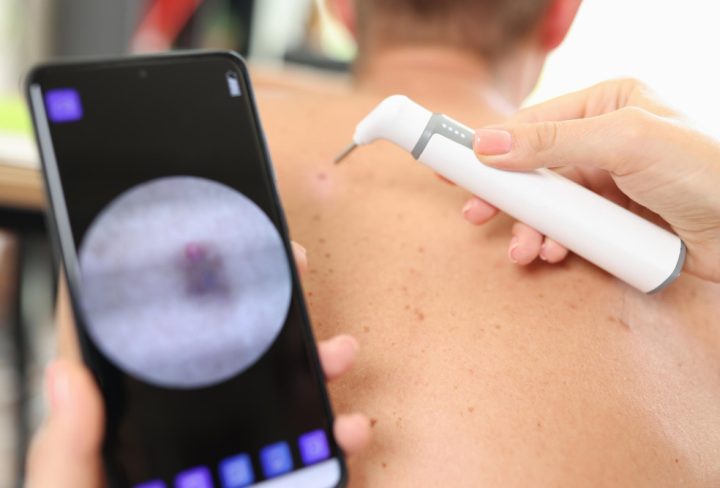
During electrolysis, a thin needle is placed into the wart. Then, a mild electric current passes through the needle. This current heats and destroys the wart tissue. As a result, the wart shrinks and falls off over time. Because the process is targeted, it usually does not harm the skin around the wart. In many cases, people choose electrolysis when they want a precise and effective wart removal method.
Benefits and Risks of Electrolysis Wart Removal
There are several benefits to electrolysis wart removal. For example, it can be used on many types of warts. Also, it is a quick procedure and often leaves little scarring. However, there are some risks to consider. Sometimes, the area may become red or swollen. In rare cases, infection or scarring can occur. Therefore, it is important to have the procedure done by a trained professional.
Who Is a Good Candidate?
Not everyone needs electrolysis wart removal. Usually, it is best for people who have warts that do not go away with other treatments. It can also help those who want a fast and focused solution. However, people with certain skin conditions or weak immune systems should talk to their doctor first. Children and adults can both get this treatment, but a dermatologist will decide if it is right for you.
What to Expect During the Procedure
Before the procedure, your doctor will clean the area. Sometimes, a numbing cream is used to reduce discomfort. Next, the doctor inserts a thin needle into the wart. Then, a gentle electric current is applied. The whole process usually takes less than 30 minutes. Afterward, you may notice some redness or mild swelling. Most people can return to normal activities the same day.
Aftercare and Recovery Tips
Proper aftercare helps your skin heal faster. For best results, follow your doctor’s advice. Here are some simple tips:
If you notice any problems, contact your doctor right away. Most people heal within a week or two.
Prevention and Lifestyle Guidance
Warts are caused by a virus called HPV. While you cannot always prevent warts, you can lower your risk. For instance, avoid touching warts on yourself or others. Always keep your hands clean. Wear shoes in public showers or pools. If you have a wart, cover it with a bandage to stop spreading the virus. Healthy habits can help keep your skin clear.
Frequently Asked Questions
For more information, you can visit trusted sources like the CDC or talk to your local dermatologist.
Consult a dermatologist for personalized advice on wart removal options.